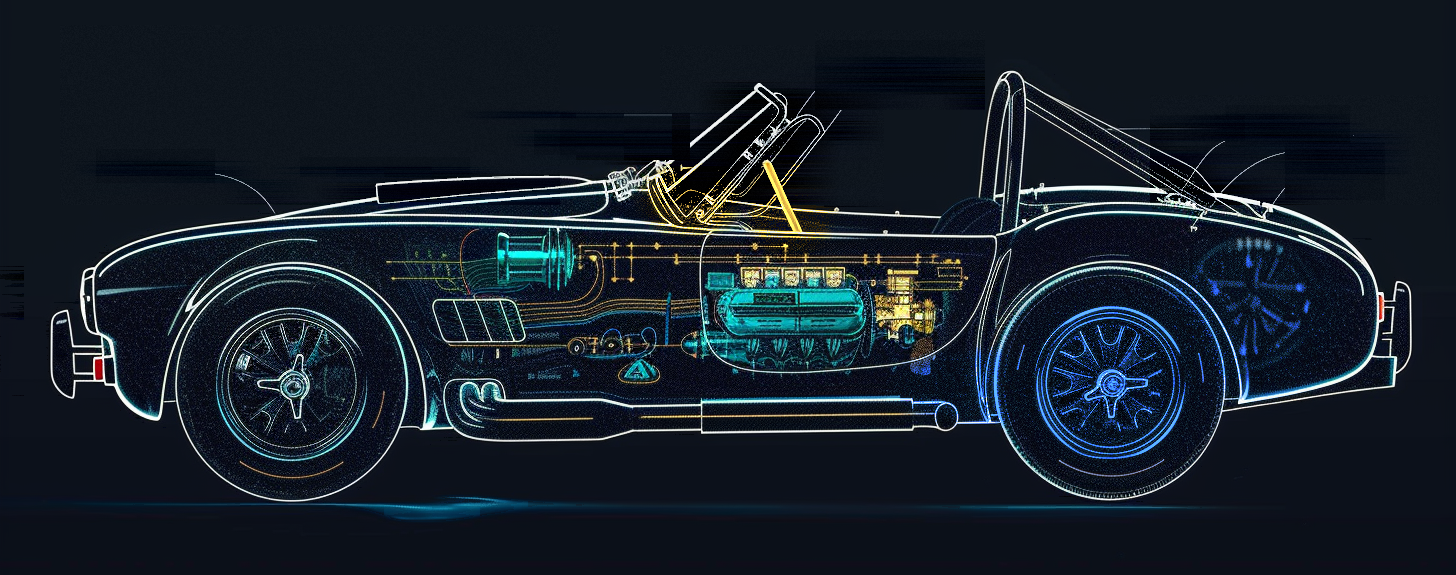
Three dimensions, one machine.
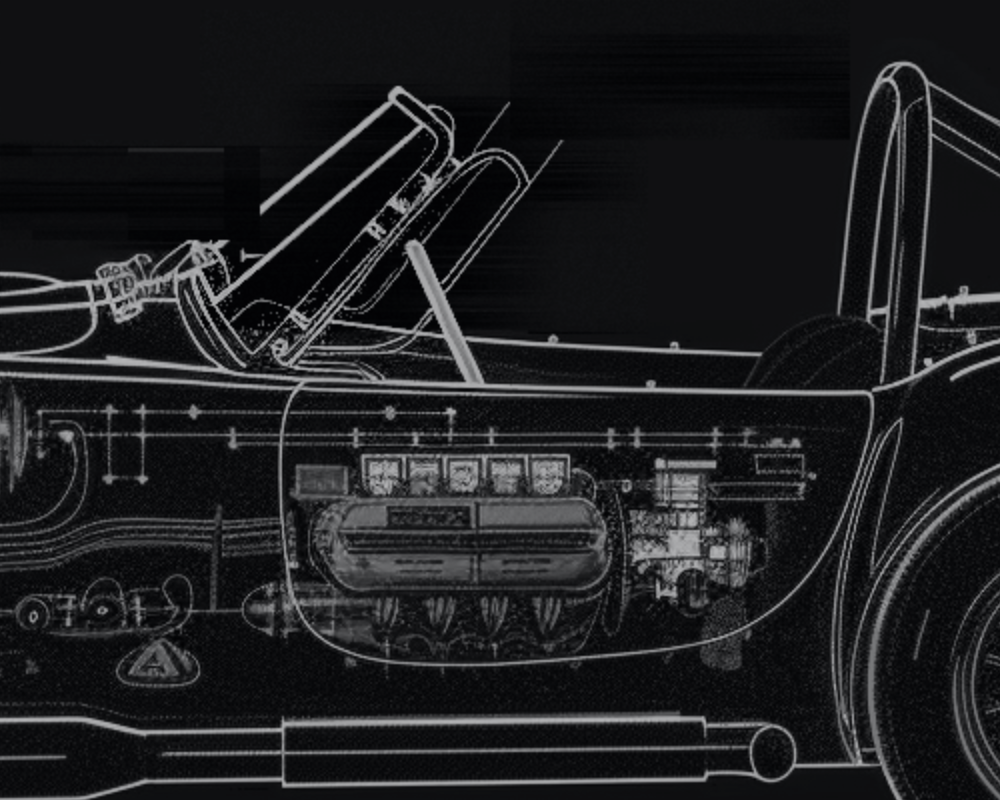
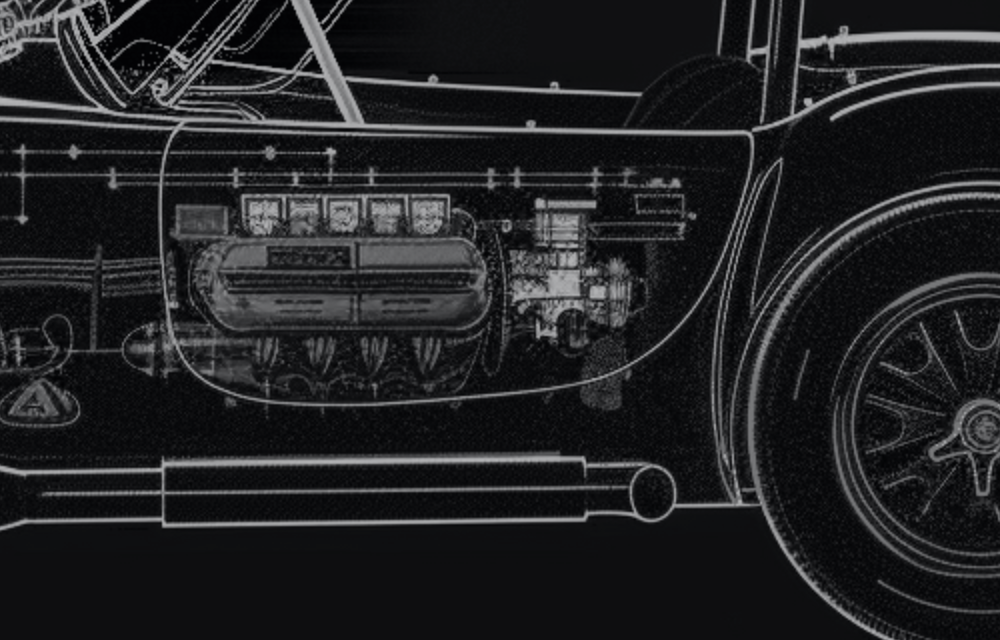
The engine makes the power, the drivetrain turns power into motion, the steering decides where it goes. Take any one away and the other two cannot do their job — which is why a pilot can be technically excellent and change nothing, and why building the three in sequence loses tension at every handoff.
The role doesn't vanish. It rises.
The routine execution leaves — that is the point. The judgment that governed it becomes more valuable, and it has to climb to where it is now needed. It climbs on three forces at once; deliver one without the others and people are stranded partway up.
Governance — the role moves up a level
The person who ran a process by hand steps up to run the system that carries it: scoping the agent's authority, reviewing what it decides, holding the exceptions it escalates.
Capability — the skill to work with agents
Governing a system you do not understand is not governance — it is rubber-stamping. The scarce skill is no longer writing the code; it is knowing what the code should do.
Belief — the one programs skip
People govern what they trust and quietly resist what they fear. The change has to hold after the pressure is off, or it was not change.
Capability into motion.
Prepared people inside a rigid organization produce friction, not transformation. The drivetrain is where authority becomes explicit — and an organization does not fail to make it explicit once. It stalls at three successive walls, each of which looks like progress from the inside.
Nobody knows what the agent may do
Permission was never written down, so the safe answer is always to ask. The agent proposes in milliseconds and waits days.
The rules changed. The authority did not
The wall most transformations die at: a new chart, a blessed pilot, and the same three people still signing everything.
Decision rights redesigned around the seam
Authority sits where the decision is made, the permit line is owned and revisable, and widening it is governance rather than an emergency.
Everyone can buy the engine. That is why it is the floor.
The models that look like magic today are in your competitor's hands tomorrow, which is why the platform is the floor rather than the moat. Its job is to make the permit line real: agent-ready is not one switch but a stack of five layers, and nothing stands above the one you skipped.
Every decision meets one line.
An agent — like a capable but untrusted newcomer — is allowed to propose far more than it should be allowed to permit. The seam is the line between the two, and each dimension owns one verb on it: the human moves the line, the organization sets it, the platform holds it.
The seam, with the line you can drag →Which part of the machine is missing?
HOT is not a ladder you climb one rung at a time. It names what each dimension requires; how a team delivers it is a practice's work. The scan reads each dimension separately and creates a score for each one.
You can buy the engine. You cannot buy the machine.
See a sample resultHide the sample↓↑
A platform ahead of the authority to use it — the most common shape, and the most expensive one. The missing part is Organization.
Run the HOT scan →~4 min, no email